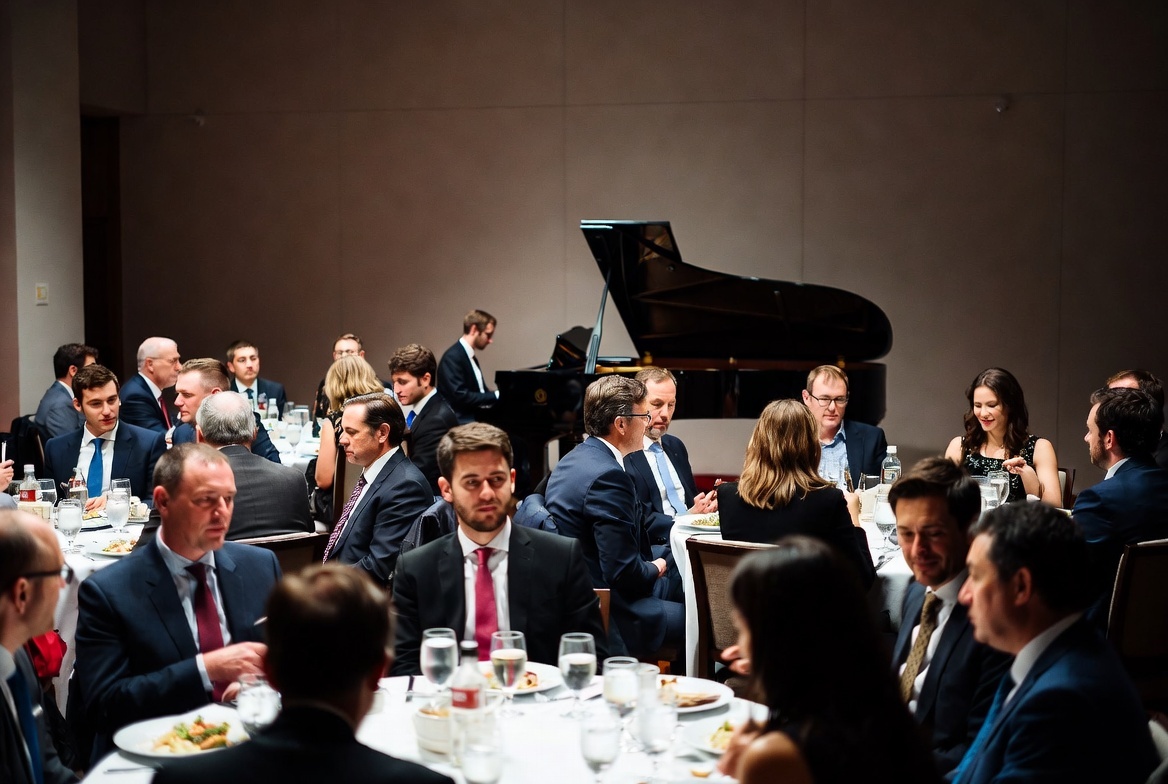
Why Even Good Music Sometimes Doesn’t Work at an Event
Many people believe that if the music is beautiful, well-performed, or personally meaningful, it will automatically work well at an event. However, this is not always the case. Even high-quality music can sometimes feel out of place or fail to create the desired atmosphere.
Understanding why this happens can help both couples and event organizers make better musical decisions.
The Music Doesn’t Match the Specific Moment
One of the most common reasons good music fails is that it doesn’t suit the particular moment in which it is played. A song that sounds beautiful on its own may feel completely wrong in a certain context.
For example:
- A slow, emotional ballad during the joyful exit of the newlyweds
- An upbeat, energetic song during the quiet exchange of vows
- A very popular party song played during a calm dinner
Even if the song itself is excellent, the mismatch between the music and the moment can make it feel awkward or emotionally disconnected.
Wrong Energy Level for the Atmosphere
Every part of an event has its own natural energy. Music that is too calm can make an energetic moment feel flat, while music that is too intense can overwhelm a quiet or intimate moment.
Good music should support the current energy of the room, not fight against it. When the energy of the music doesn’t match the energy of what is happening, guests often feel that something is “off,” even if they can’t immediately explain why.
Poor Timing and Transitions
Even beautiful music can lose its impact if it is played at the wrong time or if the transitions between songs are poorly managed. For example:
- Starting an emotional song too early or too late
- Abrupt changes between completely different musical styles
- Music that doesn’t follow the natural flow of the event
Timing plays a crucial role. Music that is played just a few minutes too early or too late can miss the emotional peak of the moment.
The Music Doesn’t Consider the Audience
Another common issue is when the music doesn’t take the guests into account. A song that feels perfect to the couple may not resonate with the majority of the guests, or it may even create discomfort.
Age, cultural background, and musical preferences of the audience all matter. Music that feels too young, too old, or too specific for the guests can weaken the overall atmosphere, regardless of how good the song is on its own.
Volume and Acoustics Are Ignored
Sometimes the problem is not the music itself, but how it is delivered. Even a well-chosen song can fail if:
- It is played too loudly during dinner or networking
- It is too quiet during important emotional moments
- The acoustics of the venue distort the sound
Technical aspects such as volume and sound quality can completely change how music is perceived, even if the song selection is excellent.
Lack of Flexibility from the Musician
Finally, even good music can fall flat if the musician is not flexible. Events rarely go exactly according to plan. If the musician sticks rigidly to the playlist without adapting to changes in timing, energy, or atmosphere, the music can start to feel disconnected from what is actually happening.
Flexibility and presence are often more important than having a perfect song list.
Final Thoughts
Good music is important, but it is not enough on its own. For music to truly work at an event, it needs to be the right music for the specific moment, energy, audience, and atmosphere.
When these elements align, music can significantly enhance the emotional experience of an event. When they don’t, even beautiful songs can feel out of place or ineffective. Understanding this difference is one of the keys to creating a truly cohesive and memorable celebration.