What Playing at Events Has Taught Me About People and Emotions
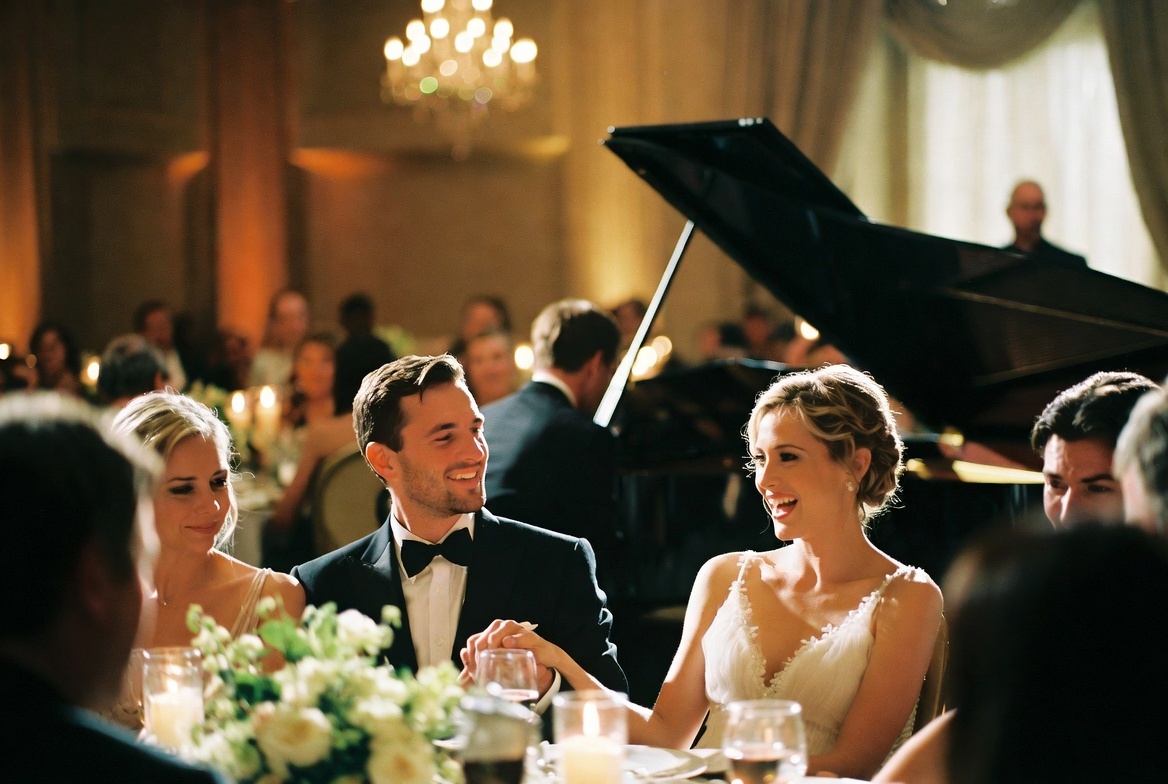
Over the years of playing at weddings, corporate events, and private celebrations, I’ve had the opportunity to observe people in many different emotional states. These experiences have taught me several important things about how people feel and connect with each other - things that go beyond music itself.
Here are some of the most valuable observations I’ve made.
People remember how they felt more than what happened
One of the clearest lessons is that guests rarely remember the specific songs that were played. What stays with them is the feeling they had during certain moments.
Even years later, people often say things like “the atmosphere was so warm” or “it felt really special,” without being able to recall particular songs. This shows that music works primarily on an emotional level. Its main job is not to be remembered, but to help create an experience worth remembering.
The quietest moments are often the most powerful
Many people expect the strongest emotions to happen during big, loud, or dramatic parts of an event. In my experience, the opposite is often true.
Some of the most touching moments I’ve witnessed happened in relative silence or during calm, understated music — a parent watching their child, two friends sharing a quiet look, or a couple simply standing together after the ceremony. In these moments, music doesn’t need to be loud or impressive. Sometimes it just needs to give space for real emotions to appear.
Music helps people feel permission to be emotional
Many guests come to events wanting to feel something, but they often hold back. Live music can gently lower these internal barriers. When beautiful or touching music is played during meaningful moments, it creates an atmosphere where it becomes more acceptable to feel moved, nostalgic, or joyful.
I’ve seen people who usually keep their emotions to themselves suddenly become visibly touched when the right music was playing. Music seems to give people permission to be more open.
Connection happens in small, unplanned moments
Some of the most meaningful connections I’ve observed didn’t happen during the official program. They happened in between — during a quiet song at dinner, while guests were talking after an emotional speech, or during a soft musical moment at the end of the evening.
These unplanned, human moments often matter more than perfectly executed parts of the event. Good music doesn’t just support the program — it also creates space for genuine human connection to happen naturally.
Presence matters more than perfection
Over time, I’ve come to believe that how a musician shows up is often more important than how perfectly they play. When a musician is truly present and paying attention to what is happening in the room, they can support the emotional flow of the event in a way that a perfectly rehearsed performance sometimes cannot.
Guests feel this difference, even if they can’t explain it. Music performed with presence tends to feel more human and connected.
Final Thoughts
Playing at hundreds of events has taught me that music is ultimately not about the notes themselves. It’s about creating conditions where people can feel more connected — to the moment, to each other, and sometimes even to themselves.
The most valuable thing I’ve learned is that the best musical moments are rarely the loudest or the most technically impressive. More often, they are the ones that help people feel seen, understood, and emotionally present.
This is what makes live music special. It has the potential not just to entertain, but to gently support the human experience of an event.