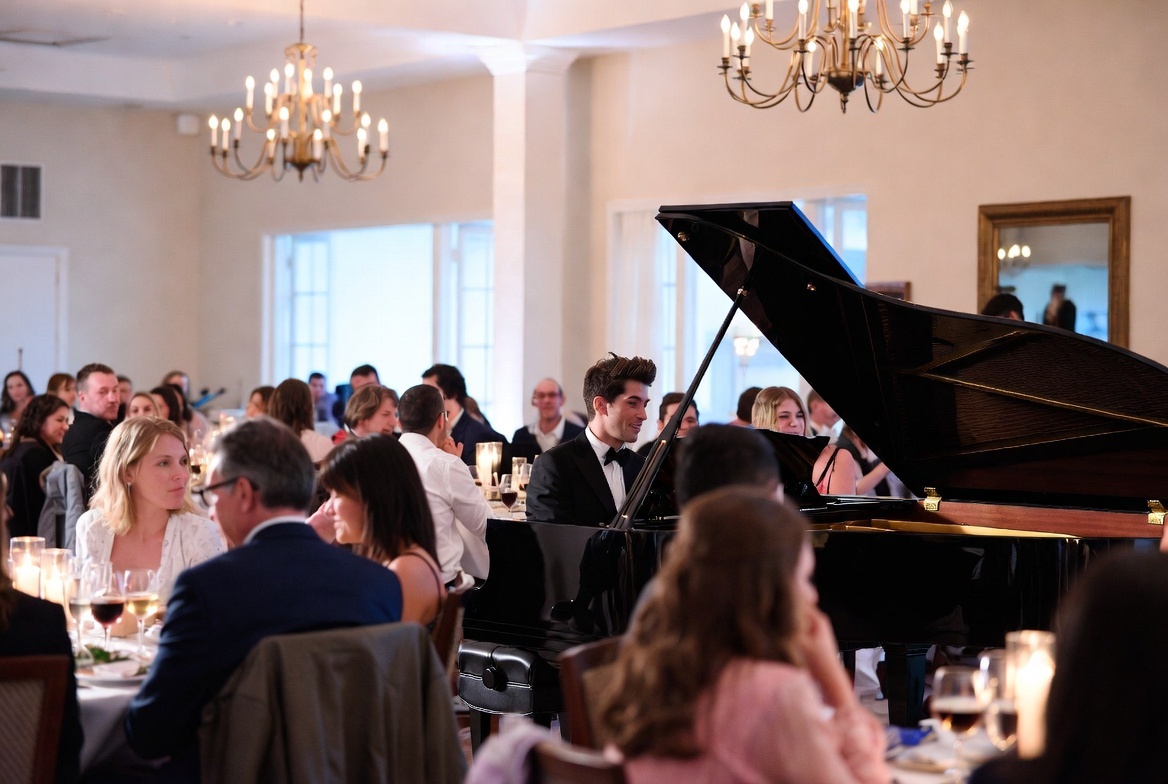
What Makes Good Background Music During Dinner and Why It Matters
Dinner is often one of the longest parts of a wedding or corporate event. Guests are seated, eating, and talking with each other. During this time, music plays a supporting role — it should create a pleasant atmosphere without interfering with conversation.
However, not every type of music works well as background during dinner. Many people underestimate how much the wrong music can affect the overall experience. So what exactly makes background music “right” during this part of the event?
What “Right” Background Music Means
Good background music during dinner has several important characteristics:
- Comfortable volume: The music should be audible but never loud enough to make people raise their voices. Guests should be able to talk easily without straining to hear each other.
- Pleasant and non-intrusive: The music should feel nice without demanding attention. It should support the atmosphere rather than become the center of it.
- Appropriate tempo and energy: During dinner, the music should generally be calm to medium in energy. Very fast, aggressive, or overly emotional songs can feel out of place while people are eating.
- Familiar but not distracting: Well-known songs often work well, but they shouldn’t be so popular or emotionally charged that guests start focusing on the lyrics instead of their conversations.
In short, good dinner music creates a pleasant sonic environment without getting in the way of social interaction.
Why It’s More Important Than Many People Think
Dinner usually lasts longer than the ceremony or cocktail hour. During this time, guests interact with each other the most. The music playing in the background directly affects how comfortable and enjoyable these interactions feel.
When the background music is well chosen, guests tend to:
- Stay at the table longer
- Talk more freely and naturally
- Feel more relaxed and positive about the event overall
When the music is too loud, too slow, too intense, or simply doesn’t fit the moment, it can create subtle discomfort. Guests may talk less, feel the need to speak louder, or unconsciously feel that something is “off,” even if they can’t explain why.
Common Mistakes with Dinner Music
Some of the most frequent issues with music during dinner include:
- Playing music too loudly, making conversation difficult
- Choosing songs that are too slow or melancholic
- Using a playlist that doesn’t match the energy of the room
- Not adjusting the volume as the evening progresses
- Ignoring the acoustics of the venue
These mistakes can make even a beautiful dinner feel less enjoyable for guests.
How Live Music Helps Create the Right Background
A live musician has a significant advantage over a playlist when it comes to dinner music. They can:
- Constantly adjust the volume based on how loud the guests are talking
- Change songs or energy if the atmosphere shifts
- Keep the music tasteful and appropriate throughout the entire dinner
This real-time responsiveness helps maintain the right balance between music and conversation for much longer than a static playlist usually can.
Final Thoughts
Background music during dinner is not just “something playing in the background.” When chosen and performed correctly, it creates a comfortable, pleasant, and socially friendly atmosphere that helps guests enjoy each other’s company.
On the other hand, poorly chosen dinner music can quietly work against the overall experience, even if everything else at the event is well organized.
If you want your guests to feel comfortable and have good conversations during dinner, paying attention to the background music is one of the simplest but most effective things you can do.