How Live Music Affects Guests’ Emotions at Events (And Why It’s Noticeable)
Music has always had the power to influence human emotions. At weddings and other events, this effect becomes especially visible. Many guests can sense when the music feels “right” or “special,” even if they can’t explain exactly why. Live music, in particular, tends to have a stronger emotional impact than recorded tracks.
But what exactly happens when live music is playing? Why do people often feel more connected, moved, or present when they hear a real musician rather than a playlist?
Live Music Creates a Human Presence
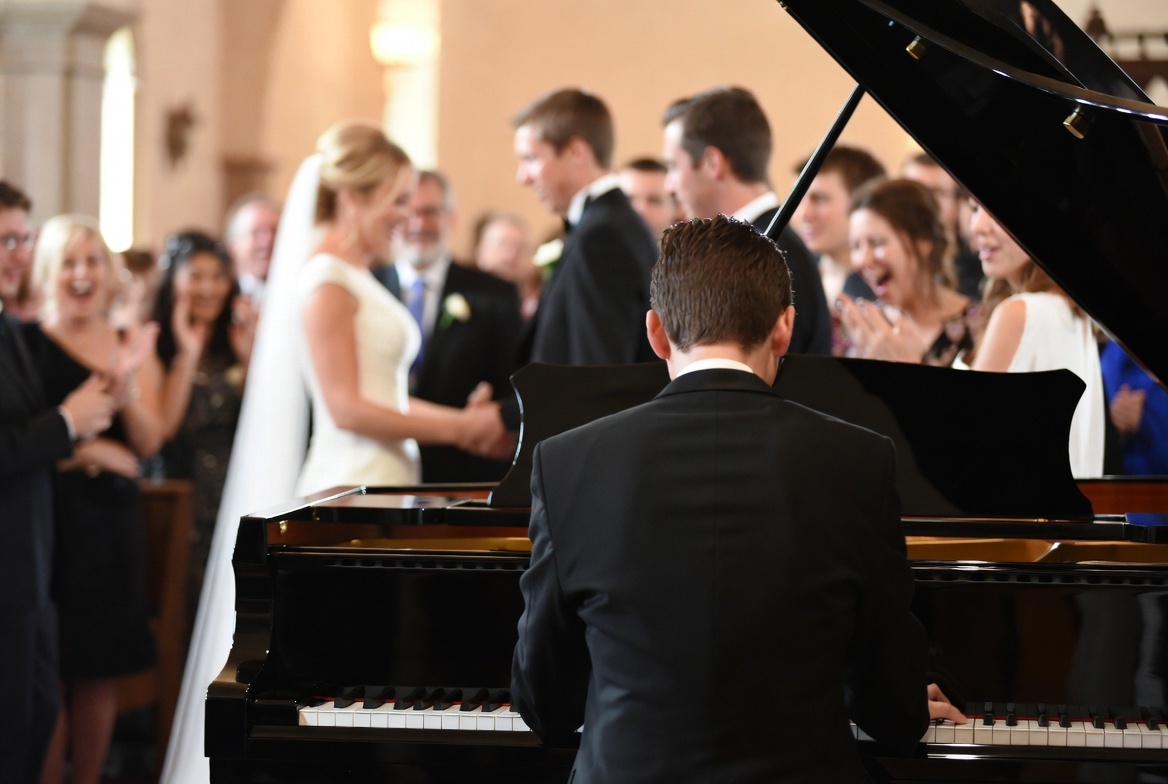
One of the main reasons live music affects emotions more strongly is the presence of a real person. When guests see and hear a musician performing in front of them, the music feels more alive and sincere. This human element adds a layer of authenticity that recorded music usually lacks.
Even if guests are not consciously watching the musician, they often subconsciously register the presence of a living performer. This can make the music feel more personal and emotionally engaging.
Music Responds to the Room
Unlike a playlist, which plays the same way every time, live music can adapt to what is happening in the moment. A good musician can sense the energy of the guests and adjust their playing accordingly — playing softer during quiet conversations, building intensity during emotional moments, or changing the mood if the atmosphere shifts.
This responsiveness makes the music feel more connected to the event. Guests often perceive this, even if they don’t realize it consciously. The music feels less like background noise and more like part of the shared experience.
It Creates Emotional Permission
Live music can also give guests “permission” to feel emotions more openly. When beautiful or touching music is played during meaningful moments (such as the ceremony, first dance, or parent dances), it creates an emotional atmosphere that encourages guests to be present and open.
Many people find it easier to feel moved, nostalgic, or joyful when live music is supporting the moment. The music acts as a kind of emotional guide, helping guests connect with what is happening around them.
Why the Difference Is Often Noticeable
Guests may not always be able to explain the difference between live music and a playlist, but they frequently sense it. Common observations include:
- The atmosphere feels warmer or more special
- Emotional moments feel more touching
- The event feels more “alive” and less mechanical
- Time seems to slow down during important parts of the day
These impressions often come from the subtle but real differences in how live music interacts with the room and the people in it. The combination of human presence, adaptability, and emotional sensitivity creates an effect that is difficult to replicate with recorded music.
Final Thoughts
Live music influences guests’ emotions not only through the beauty of the sound, but also through presence, timing, and responsiveness. These elements work together to create moments that feel more connected and meaningful.
While a well-curated playlist can certainly support the atmosphere of an event, live music has a unique ability to interact with the emotions of the moment in real time. This is one of the reasons why many people remember the music at events with live performers long after the day is over.